
Moisture between irrigations
On day 21, AWA® retained 23% volumetric moisture versus less than 2% in the control. Soil tension was 10 versus 45 kPa. These are soil moisture readings; they do not quantify irrigation water savings.
Field demonstration · 2025
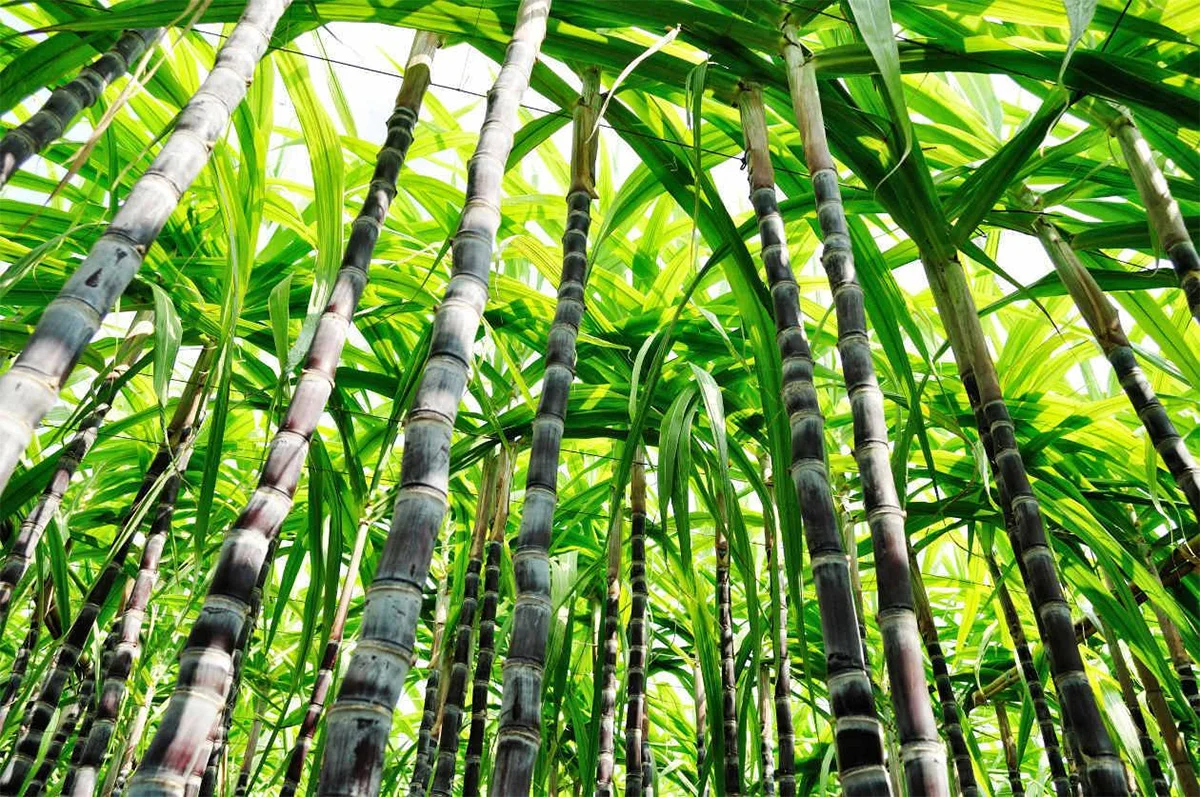
In 4-year ratoon sugarcane, the demonstration in Mexico recorded 30.8% higher yield and an additional 3.1 °Brix with AWA®. Three applications of 4 L/ha, on sandy soil with sprinkler irrigation every 21 days.
Higher yield
+30.8 %173.4 versus 132.6 t/ha at the 2025 harvest
Higher soluble solids
+3.1 °Brix14.6 versus 11.5 °Brix at harvest
Higher yield. Greater moisture persistence.
THE CROP AND ITS MANAGEMENT
MONITORING RESULTS
| Volumetric soil moisture | Control | AWA® |
|---|---|---|
| Day 0 | 28 % | 28 % |
| Day 5 | <18 % | No reading reported |
| Day 21 | <2 % | 23 % |
On day 21, AWA® retained 23% volumetric moisture versus less than 2% in the control. Soil tension was 10 versus 45 kPa. These are soil moisture readings; they do not quantify irrigation water savings.
Height differences of +18 cm at an intermediate assessment and +84 cm before the rainy season were reported. In April and May, at 36–38 °C, no visible stress was reported in the AWA-treated area®.
Before the rains, stem circumference was 11.2 cm in the control and 12.5 cm with AWA®: +1.3 cm, equivalent to 11.6%.
Yield increased from 132.6 to 173.4 t/ha: +40.8 t/ha and +30.8%. Soluble solids increased from 11.5 to 14.6 °Brix: +3.1 °Brix. This reading does not directly equate to sucrose or recoverable sugar without additional industrial analysis.
In March, more looper caterpillars were observed in the AWA-treated area® and an additional insecticide application was carried out. The report does not provide sufficient data to establish a cause-and-effect relationship.
Reported results from this field demonstration. The document does not detail replication or statistical analysis; the observed differences do not guarantee a response under other conditions.
FROM THE FIELD TO YOUR CROP
Tell us about your growing area, soil type and irrigation system. Our team will help you incorporate AWA® into your programme and draw on its field experience.
MORE RESULTS WITH AWA®
2022
Higher yield
+14.7 %Compared with the fully irrigated control
With a 40% reduction in the irrigation programme
View results and report2022
Albion
Higher early yield
+24.5 %Compared with the control in the early harvest
With the same irrigation programme
View results and report2022
Tango
Higher yield per tree
+17.1 %Total fruit weight per tree
22.3% more fruit per tree
View results and report